Information to provide
Provide the installation type, dimensions, access photos and inspection zones. Specify required images or measurements and when the installation is available.

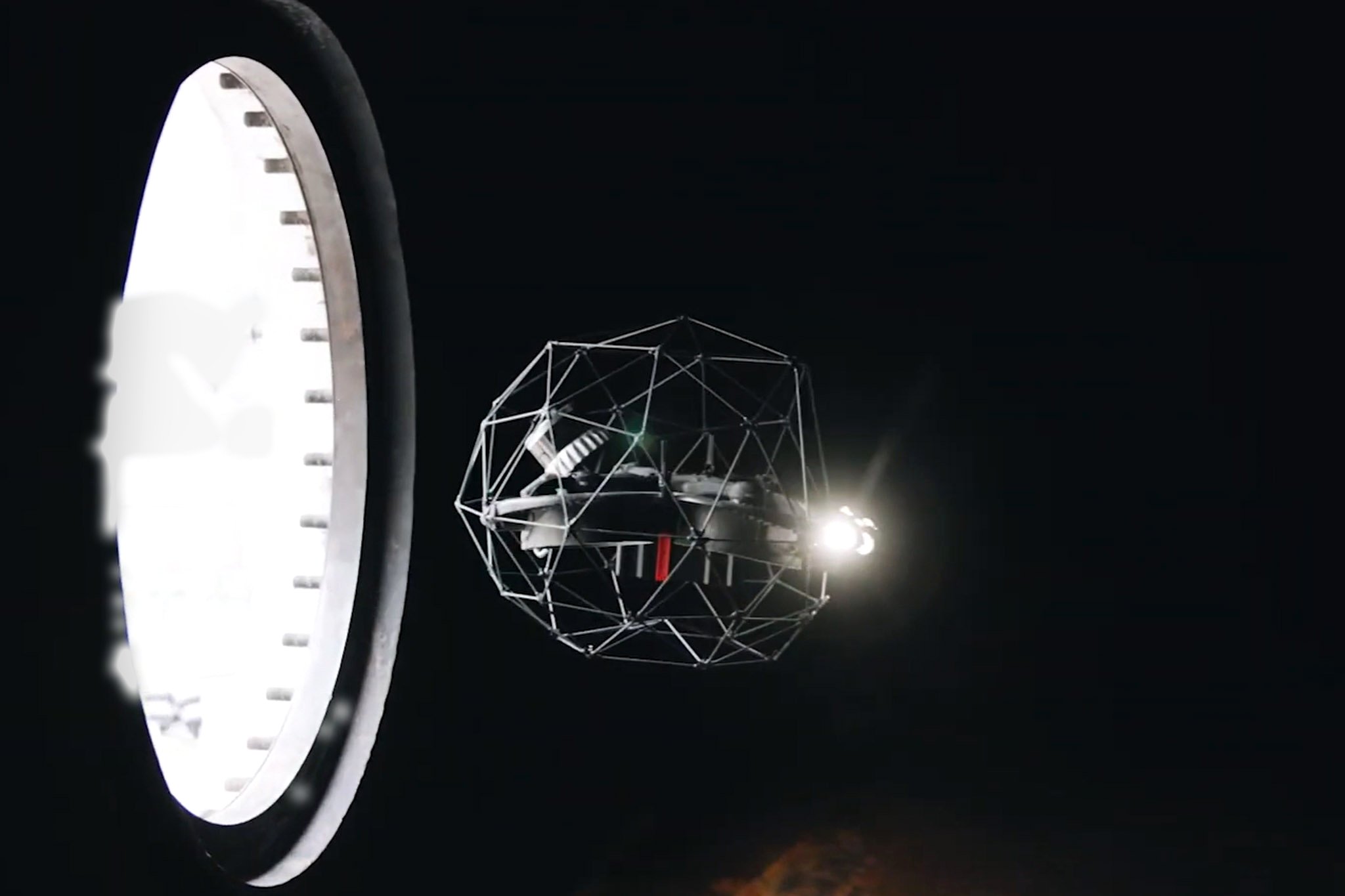
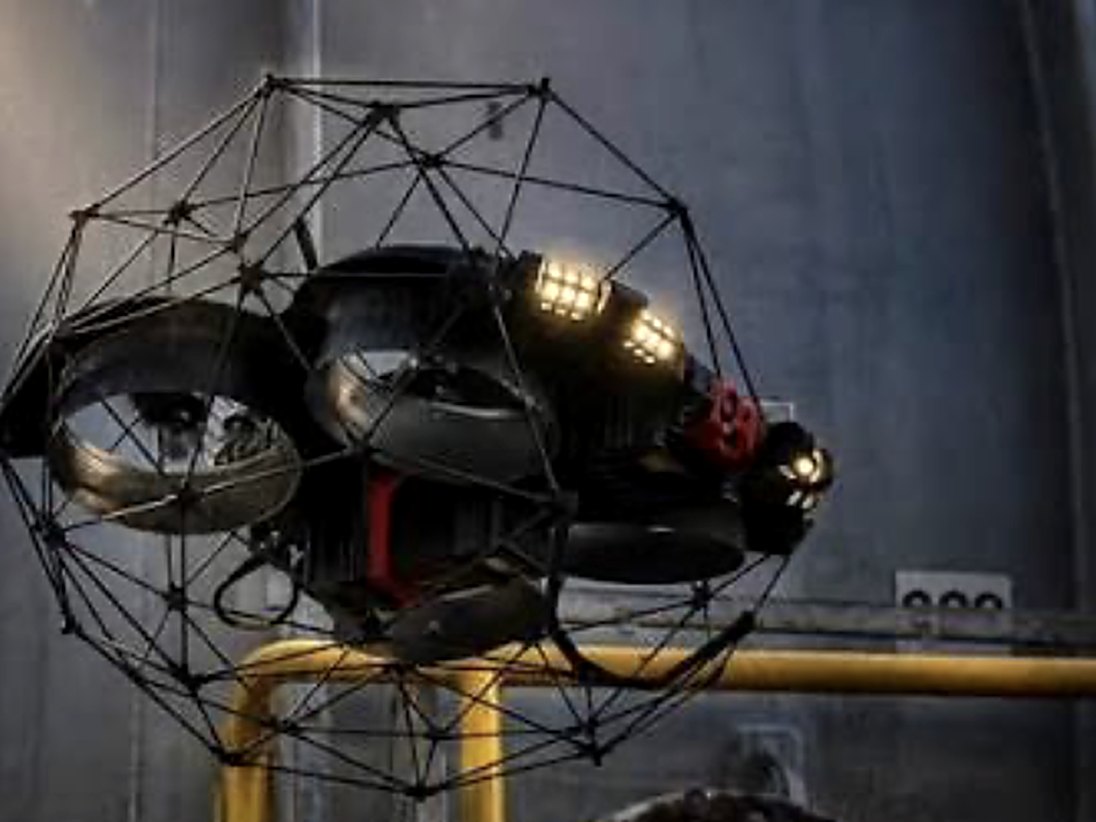
Our caged drone enters through the manhole. Receive images, temperatures, wall thickness and a 3D survey, without anyone entering the confined space and without scaffolding.
Traditional internal inspection requires a confined-space procedure, an attendant, sometimes scaffolding, and people working in a hazardous environment. The drone takes over that inspection work.
4K video and 12 MP photographs with powerful onboard lighting. Close-up views of corrosion, cracks, loose linings and deposits, even in a dark tank.
A radiometric thermal camera (−10 to +400 °C) shows hotspots, thermal bridges and damaged insulation or refractory linings.
An ultrasonic probe on the drone measures wall thickness at points otherwise requiring scaffolding. Suitable for bare steel walls.
Each flight creates a point cloud of the space. Receive dimensions and a 3D model (.e57, .las) for engineering or repair planning.
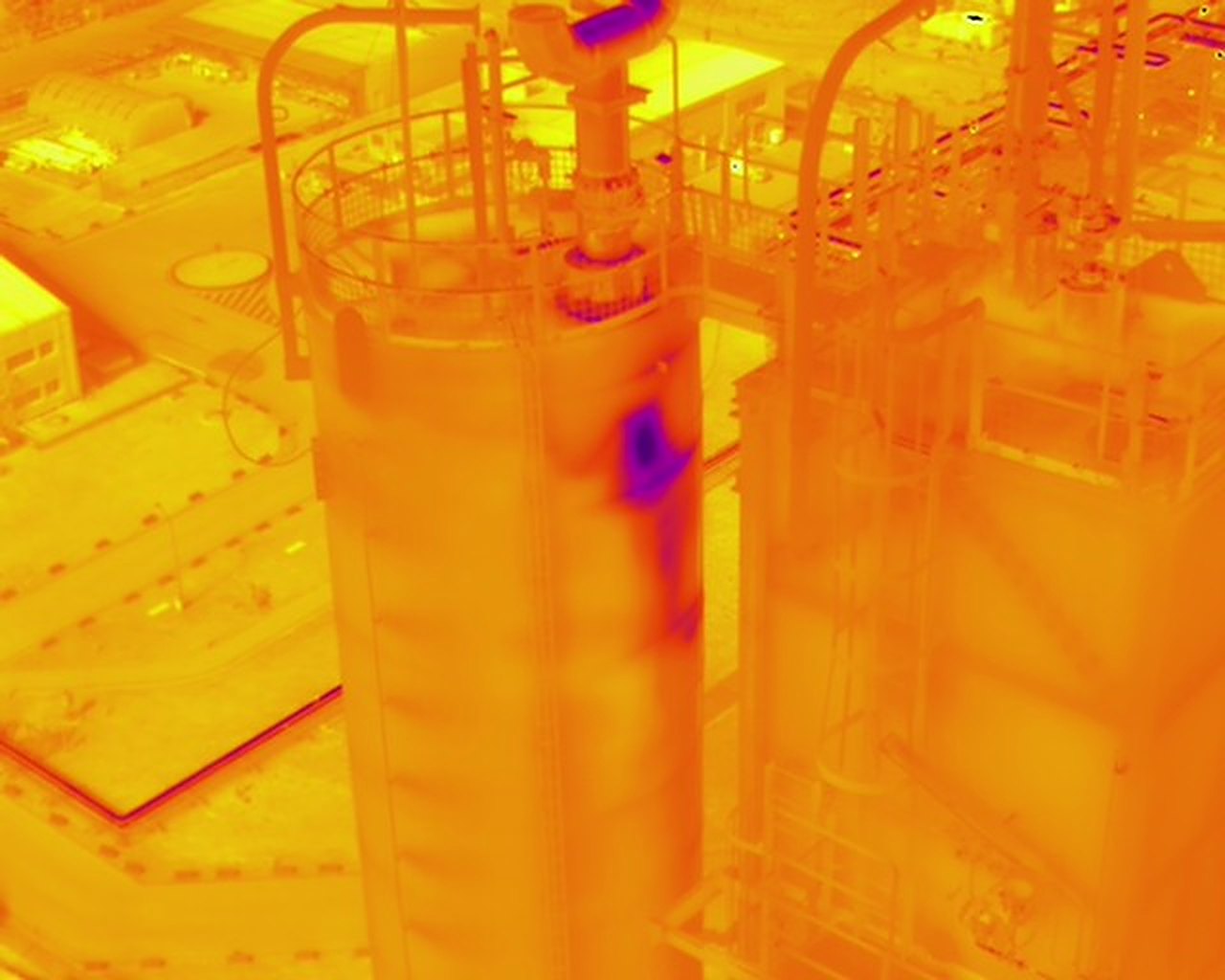
Storage and process tanks, including lined or coated tanks. Floor, walls and roof in one inspection.
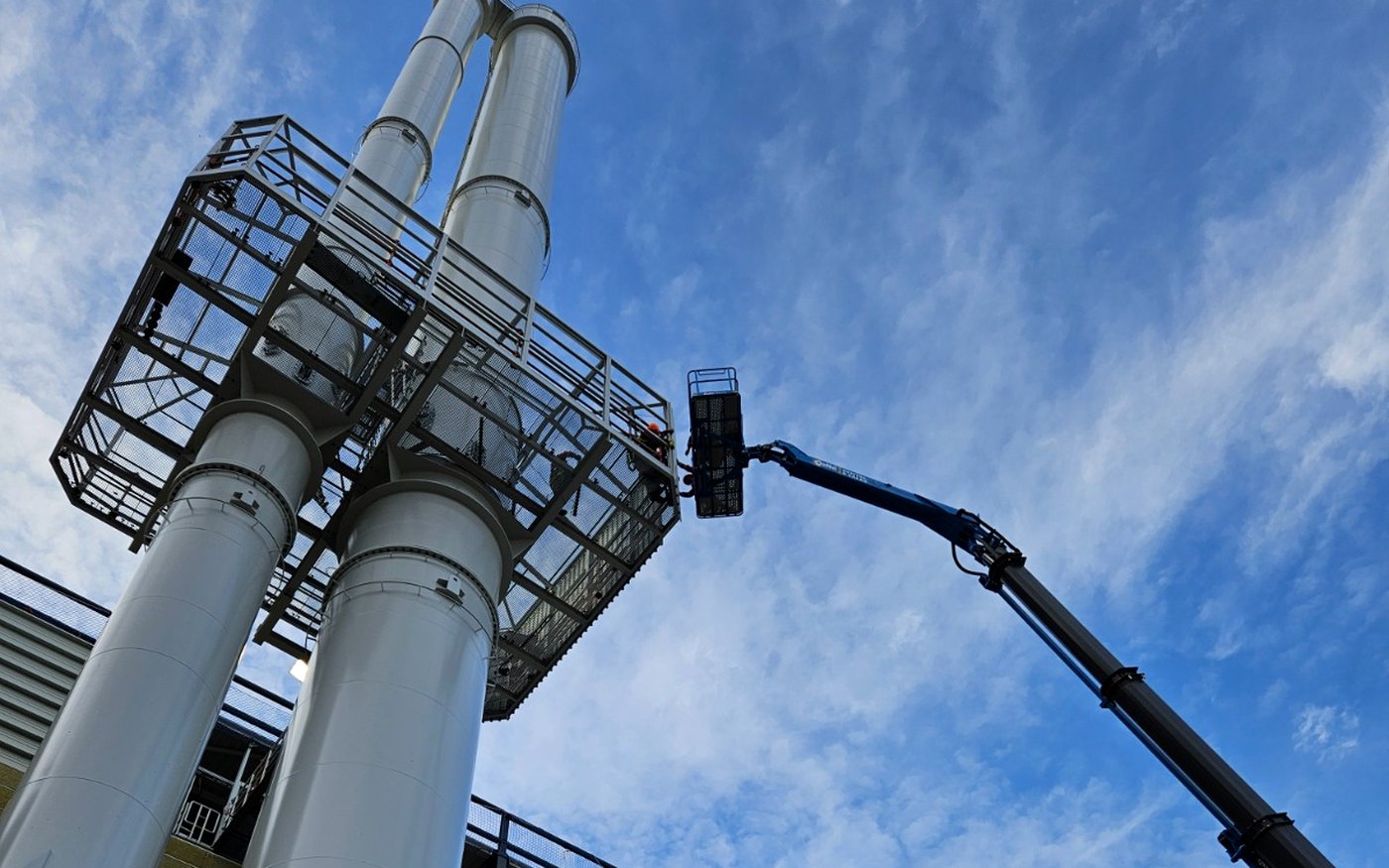
Vertical and hard to reach: the drone flies upwards, without scaffolding.
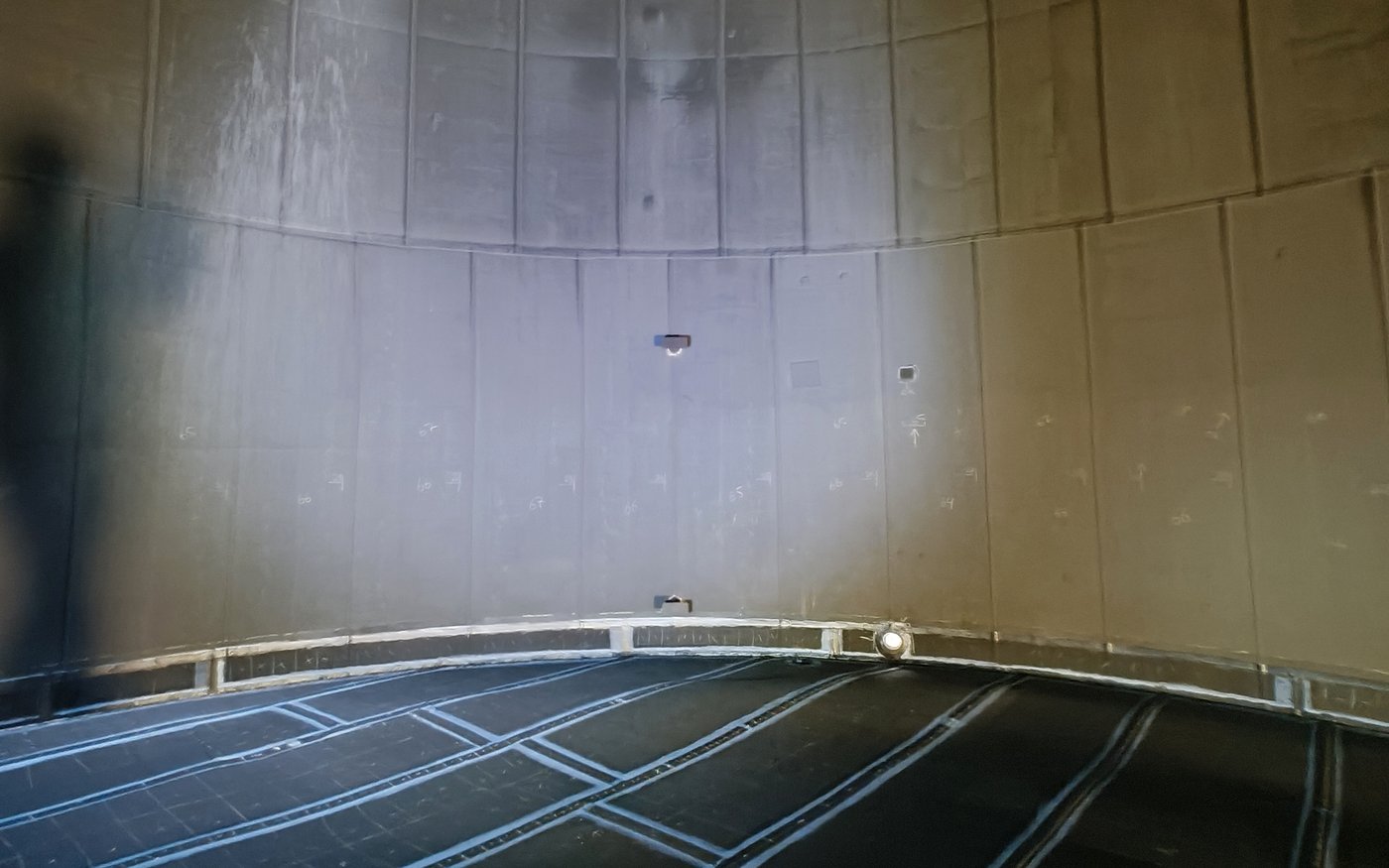
Views of walls, tube bundles, internal components and nozzles to prepare for a shutdown.
Ducts and pipes that people cannot enter, or can only enter after extensive preparation.
Describe the object: dimensions, manhole, contents, lining and preferred date. We assess whether drone inspection is possible.
We coordinate with your work permit and confined-space procedure. The space must be tested gas-free and cleared beforehand.
The pilot operates the drone from outside the manhole. Nobody enters.
Receive a report with images, findings by zone, measurement results and the 3D survey, together with our assessment.
Images alone need interpretation. Our background in coatings and linings helps us assess the findings and produce a report your maintenance team can use.
The drone is approximately 50 × 50 cm including the cage. Most openings from DN 600 are sufficient, depending on their shape. If unsure, send a photograph and dimensions.
No. The drone is not ATEX-certified. The space must first be tested gas-free and cleared, just as for human entry.
No. Ultrasonic measurement requires bare steel. In a lined tank we inspect the lining visually and thermally, and measure thickness where the steel is exposed.
Yes. The space must be empty, safe and cleared. With no scaffolding and no human entry, the inspection window is much shorter.
The equipment, measurement methods and reporting are tailored to your installation and inspection objectives.
Provide the installation type, dimensions, access photos and inspection zones. Specify required images or measurements and when the installation is available.
Access, visibility, surfaces and obstacles determine what can be reached and measured. The inspection does not guarantee detection of every defect; uninspected areas and limitations are identified in the report.
We agree which images, zones, measurements and file formats will be delivered. Additional measurements or follow-up inspections are discussed separately to keep the scope and price clear.
Send the object details and your preferred date. You will receive a reply within one business day.